America Prepared Home

Category

Community Resilience

10 articles

Vanishing Expertise: The Silent Crisis Draining America's Emergency Management Workforce

Vanishing Expertise: The Silent Crisis Draining America's Emergency Management Workforce

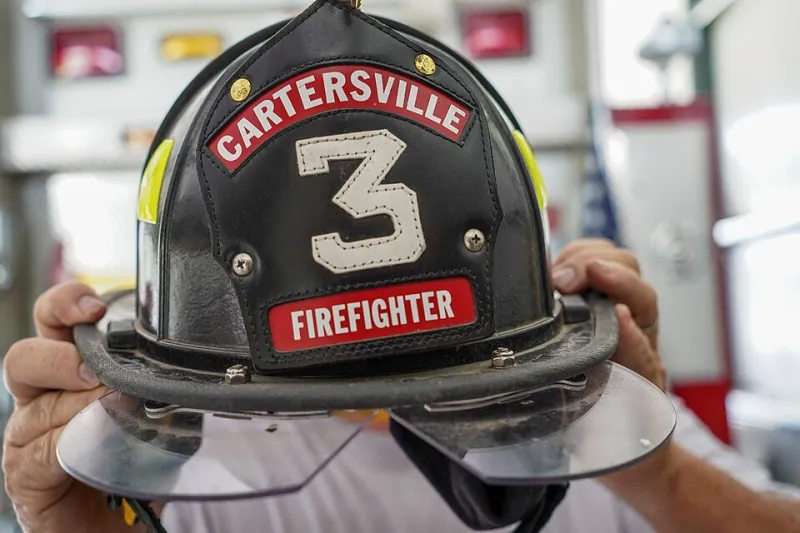
Decades of hard-won experience are walking out the door as veteran emergency managers retire faster than agencies can replace them. The institutional knowledge that once guided communities through catastrophe—unwritten, deeply contextual, and irreplaceable—is quietly disappearing. Understanding this workforce crisis is essential to preserving the nation's capacity to respond when the next major disaster strikes.

Broke Before the Storm: How Debt-Laden Households and Municipalities Collapse When Disaster Strikes

Broke Before the Storm: How Debt-Laden Households and Municipalities Collapse When Disaster Strikes

When emergencies arrive, financial fragility can prove just as devastating as physical unpreparedness. From overburdened municipal budgets to households carrying unsustainable debt loads, America's communities are discovering that fiscal vulnerability transforms manageable disasters into cascading catastrophes. Understanding the link between financial health and emergency resilience is no longer optional — it is a matter of national readiness.

Democracy on Standby: Confronting the Legal and Logistical Gaps That Leave Elections Vulnerable in a Crisis

Democracy on Standby: Confronting the Legal and Logistical Gaps That Leave Elections Vulnerable in a Crisis

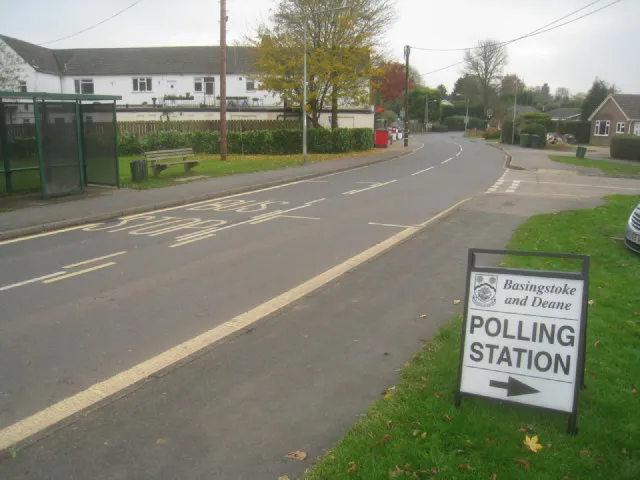
America's electoral system was built for ordinary times. But disasters, infrastructure failures, and public health emergencies don't pause for Election Day—and the legal frameworks governing how votes are cast, counted, and certified were not designed with catastrophe in mind. Experts in election administration and emergency management are calling for urgent reform before the next crisis tests democracy's durability.

Left Behind by Design: Rebuilding Emergency Readiness in America's Rural Heartland

Left Behind by Design: Rebuilding Emergency Readiness in America's Rural Heartland

Across vast stretches of rural America, emergency response infrastructure has quietly deteriorated for decades, leaving millions of residents dangerously exposed when disaster strikes. Federal relief models built for dense urban populations frequently fail in low-density counties where distances are measured in hours, not minutes. But a growing number of rural communities are refusing to wait for Washington—and their homegrown solutions are rewriting the playbook on grassroots preparedness.

Pills, Politics, and Preparedness: Confronting America's Foreign Drug Dependency

Pills, Politics, and Preparedness: Confronting America's Foreign Drug Dependency

The United States relies on foreign manufacturers for the vast majority of its generic drug supply, a dependency that poses serious risks to public health during global disruptions. Understanding where medicines come from — and what happens when those supply lines break — is no longer a concern reserved for policy experts. Every American household, and every community leader, has a role to play in building pharmaceutical resilience.

When Washington Can't Answer: How Local Leaders Are Governing Through the Unthinkable

When Washington Can't Answer: How Local Leaders Are Governing Through the Unthinkable

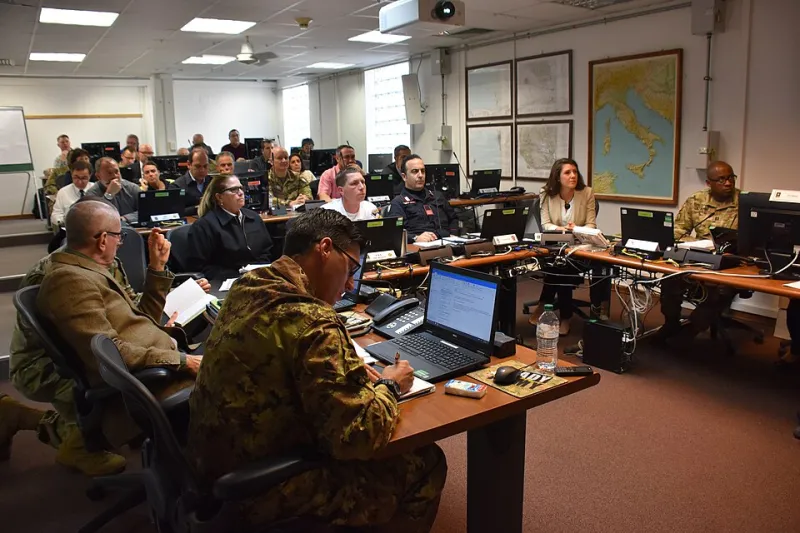
Across the country, a quiet but consequential shift is underway in how local governments prepare for catastrophic events. Mayors, county commissioners, and emergency management directors are building governance frameworks designed to function when federal assistance is delayed, disrupted, or simply unavailable. Their work is redefining what civic readiness looks like in the twenty-first century.

Made Here, Secured Here: How Local Production Is Becoming America's New Defense Strategy

Made Here, Secured Here: How Local Production Is Becoming America's New Defense Strategy

When global supply chains faltered during recent crises, communities that had invested in local manufacturing capacity fared dramatically better than those dependent on distant suppliers. From ventilator components produced in Midwestern machine shops to water filtration units assembled in rural cooperatives, a quiet industrial renaissance is reshaping what it means to be truly prepared. This investigation examines the regions leading that charge—and the policy architecture needed to extend thei